
Cyber & Electronic Warfare
In-depth coverage of modern cyber and electronic warfare, including offensive capabilities, defensive strategies, jamming, spoofing, information operations, and the evolving integration of digital and electromagnetic conflict.
-
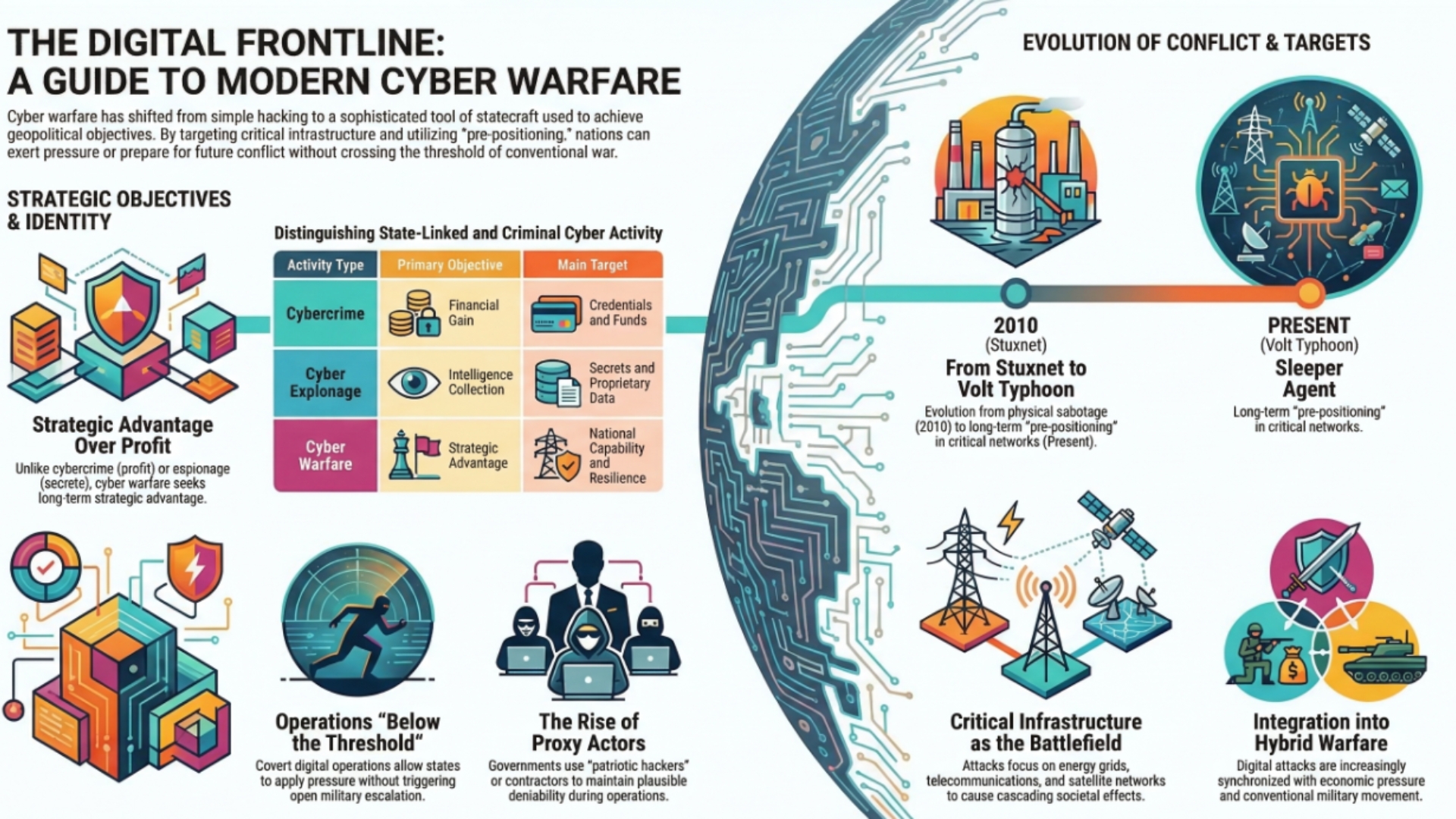
Why Cyberwarfare Forces Firms to Scan Networks Early
The March 2026 cyber alerting around Greek firms showed why cyberwarfare pressure often appears first as defensive scanning, hardening, and spillover preparation rather than immediate visible disruption.
-
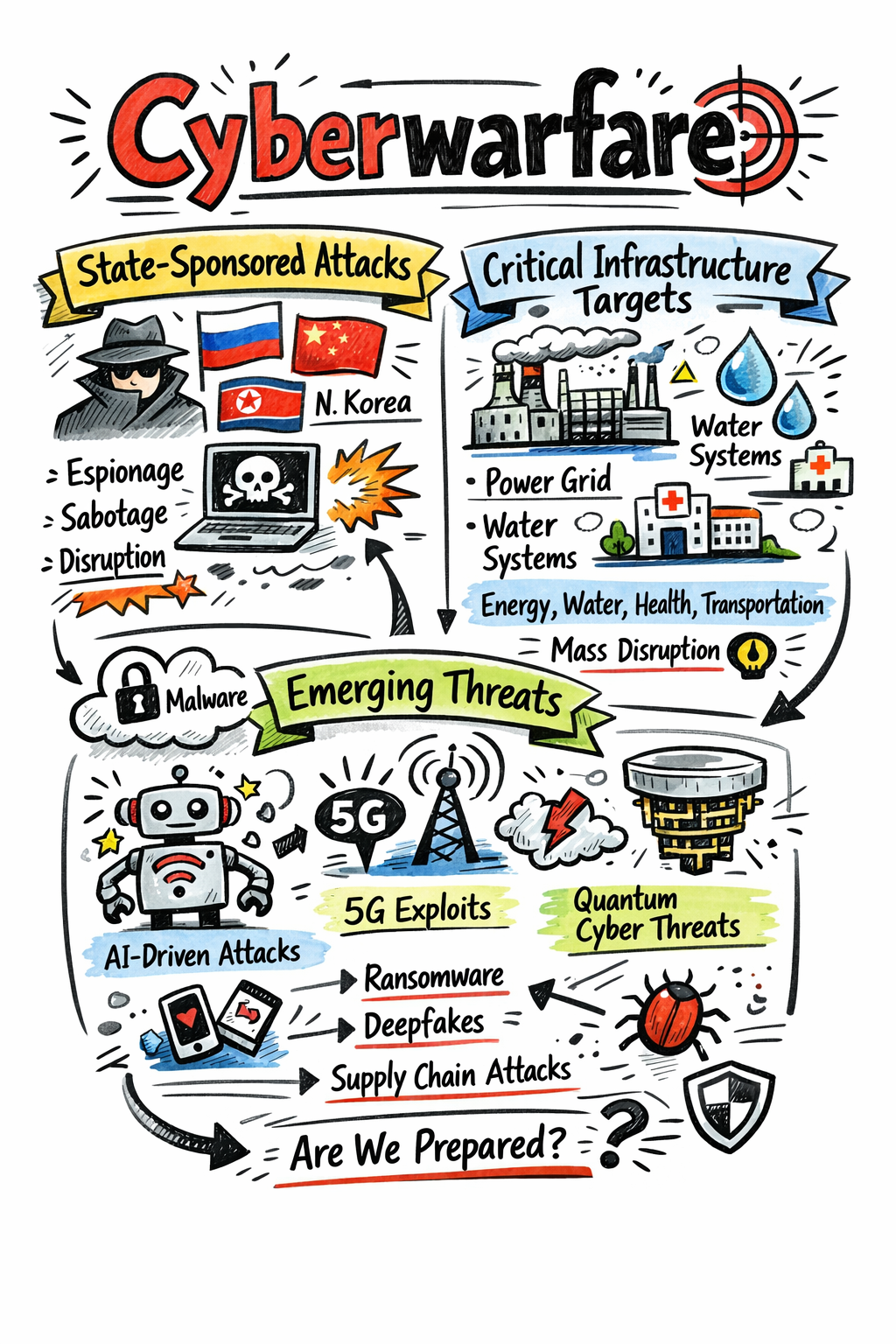
Why Cyberwarfare Targets Crisis Messaging Systems
Recent Iran-related cyber incidents showed why crisis coordination and public messaging systems remain attractive pressure points in modern cyberwarfare.
-

Why Cyberwarfare Keeps Pressuring Energy Networks
The March 2026 South Pars strike and wider Hormuz-related energy risks showed why energy networks remain recurring pressure points in modern cyberwarfare.
-
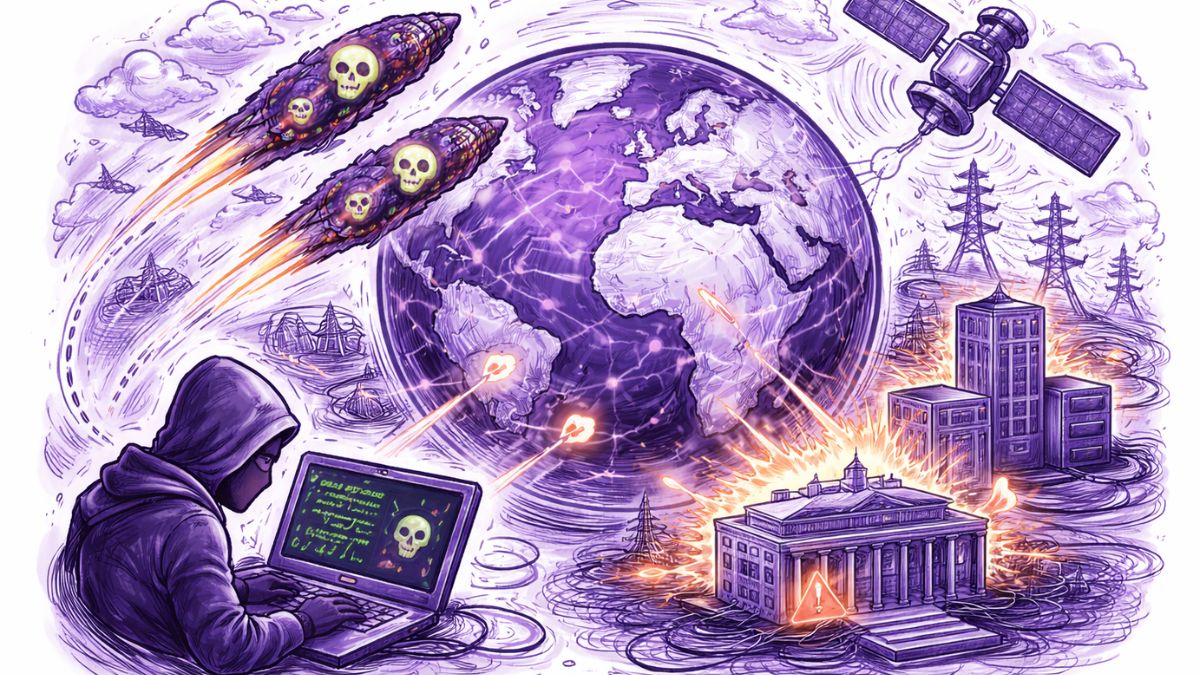
Why Cyberwarfare Keeps Pressuring Communications Networks
Recent Iran-related cyber alerts and disruptions showed why communications networks remain recurring pressure points in modern cyberwarfare.
-

Why Cyberwarfare Keeps Pressuring Shipping and Logistics Networks
Recent Iran-related cyber alerts and Hormuz disruption risks showed why shipping and logistics networks remain pressure points in modern cyberwarfare.
-
Why Cyberwarfare Keeps Pressuring Banks and Financial Networks
Recent conflict-driven cyber alerts showed why banks and financial networks remain high-value pressure points in modern cyberwarfare.
-
Why Endpoint Management Systems Are Becoming Cyberwarfare Choke Points
The March 2026 Stryker attack and CISA’s Intune warning showed why endpoint management systems have become high-value cyberwarfare choke points.
-
Why Cyberwarfare Targets Healthcare and Medical Supply Chains
The March 2026 Stryker attack showed why healthcare systems and medical supply chains remain attractive cyberwarfare targets during periods of conflict.
-
Why Cyberwarfare Increasingly Exploits Trusted Civilian Apps
The BadeSaba breach in March 2026 showed how modern cyberwarfare can turn trusted civilian apps into channels for pressure, messaging, and psychological effect during conflict.
-
Why Cyberwarfare Hits Civilian Companies First
The March 2026 Stryker cyberattack shows why civilian companies often become the first pressure points in modern cyberwarfare. The incident offers a clear lesson on disruption, escalation, and strategic targeting.