
Cyber & Electronic Warfare
In-depth coverage of modern cyber and electronic warfare, including offensive capabilities, defensive strategies, jamming, spoofing, information operations, and the evolving integration of digital and electromagnetic conflict.
-

France’s New ‘Forward Deterrence’ Doctrine Explained
Exploring Macron’s ‘forward deterrence’ doctrine and its impact on European security and the survivability of France’s nuclear forces.
-

Future Soldier: Next-Gen Gear & Human-Machine Interface
Exploring the next generation of soldier loadouts like IVAS and the challenges of integrating advanced technology on the battlefield.
-

Pentagon Fund Aims to Bridge ‘Valley of Death’ for New Tech
The Pentagon’s new ‘innovation insertion increment’ aims to bridge the funding gap between innovative prototypes and operational capabilities.
-
Ukraine Drone Strikes Strain Russian Air Defenses
Recent drone and missile strikes highlight significant shortages in Russian air defense systems, exposing vulnerabilities beyond Moscow such as in Crimea.
-
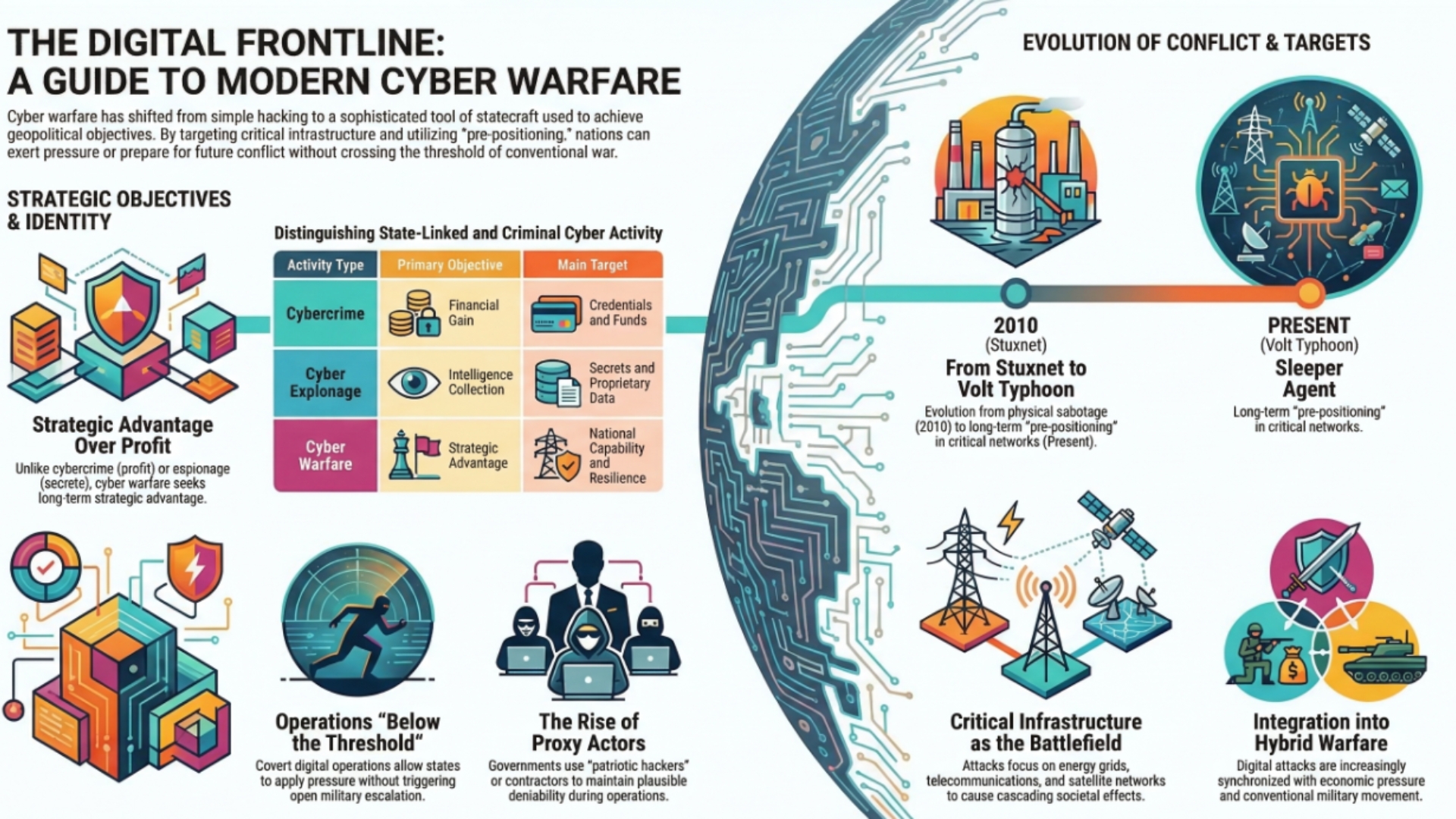
Why Cyberwarfare Uses Ambiguity and Delayed Attribution as Pressure
Recent conflict-driven cyber activity showed why ambiguity and delayed attribution remain some of the most useful pressure mechanisms in modern cyberwarfare.
-
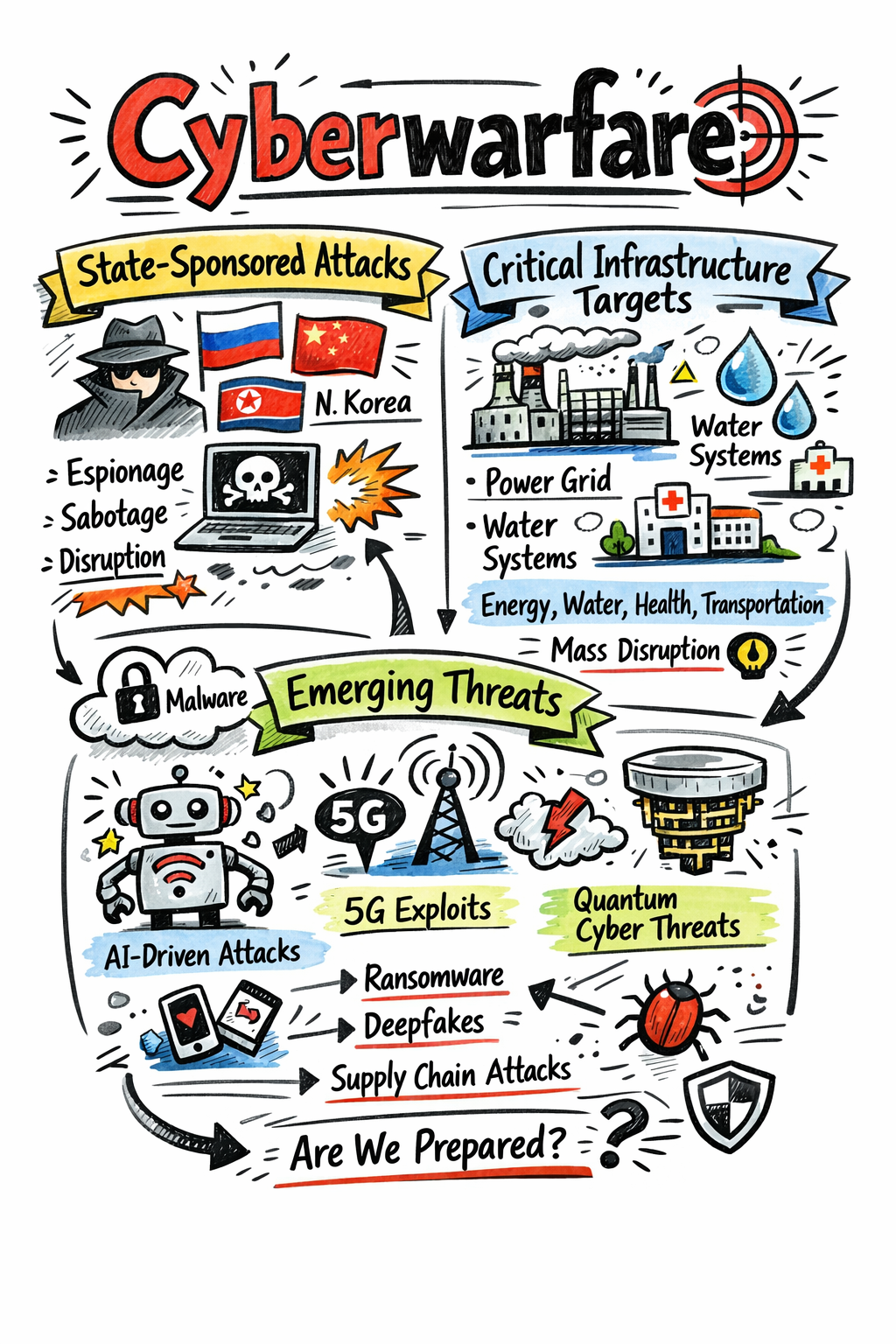
Why Cyberwarfare Pressures Trusted Access and Account Recovery Paths
Recent conflict-driven cyber activity showed why trusted access channels and account recovery paths remain high-leverage pressure points in modern cyberwarfare.
-

Why Cyberwarfare Keeps Pressuring Recovery Paths and Fallback Systems
Recent conflict-driven cyber alerts showed why recovery paths and fallback systems remain decisive pressure points in modern cyberwarfare.
-

Why Cyberwarfare Keeps Pressuring Shared Service Providers
Recent conflict-driven cyber alerts showed why shared service providers and third-party platforms remain high-leverage pressure points in modern cyberwarfare.
-

Why Cyberwarfare Pressures Industry Clusters
The March 2026 alerting across Greek shipping, banking, telecom, health, energy, and transport firms showed why cyberwarfare often pressures entire industry clusters rather than isolated organizations.
-
Why Cyberwarfare Turns Nearby Economies Into Spillover Zones
The March 2026 alerting around Greek firms showed why cyberwarfare pressure often spreads first into nearby economies and third-country companies before a direct attack becomes widely visible.