
Cyber & Electronic Warfare
In-depth coverage of modern cyber and electronic warfare, including offensive capabilities, defensive strategies, jamming, spoofing, information operations, and the evolving integration of digital and electromagnetic conflict.
-

Why Cyberwarfare Keeps Pressuring Shipping and Logistics Networks
Recent Iran-related cyber alerts and Hormuz disruption risks showed why shipping and logistics networks remain pressure points in modern cyberwarfare.
-

Why Cyberwarfare Keeps Pressuring Banks and Financial Networks
Recent conflict-driven cyber alerts showed why banks and financial networks remain high-value pressure points in modern cyberwarfare.
-
Why Endpoint Management Systems Are Becoming Cyberwarfare Choke Points
The March 2026 Stryker attack and CISA’s Intune warning showed why endpoint management systems have become high-value cyberwarfare choke points.
-
Why Cyberwarfare Targets Healthcare and Medical Supply Chains
The March 2026 Stryker attack showed why healthcare systems and medical supply chains remain attractive cyberwarfare targets during periods of conflict.
-
Why Cyberwarfare Increasingly Exploits Trusted Civilian Apps
The BadeSaba breach in March 2026 showed how modern cyberwarfare can turn trusted civilian apps into channels for pressure, messaging, and psychological effect during conflict.
-
Why Cyberwarfare Hits Civilian Companies First
The March 2026 Stryker cyberattack shows why civilian companies often become the first pressure points in modern cyberwarfare. The incident offers a clear lesson on disruption, escalation, and strategic targeting.
-
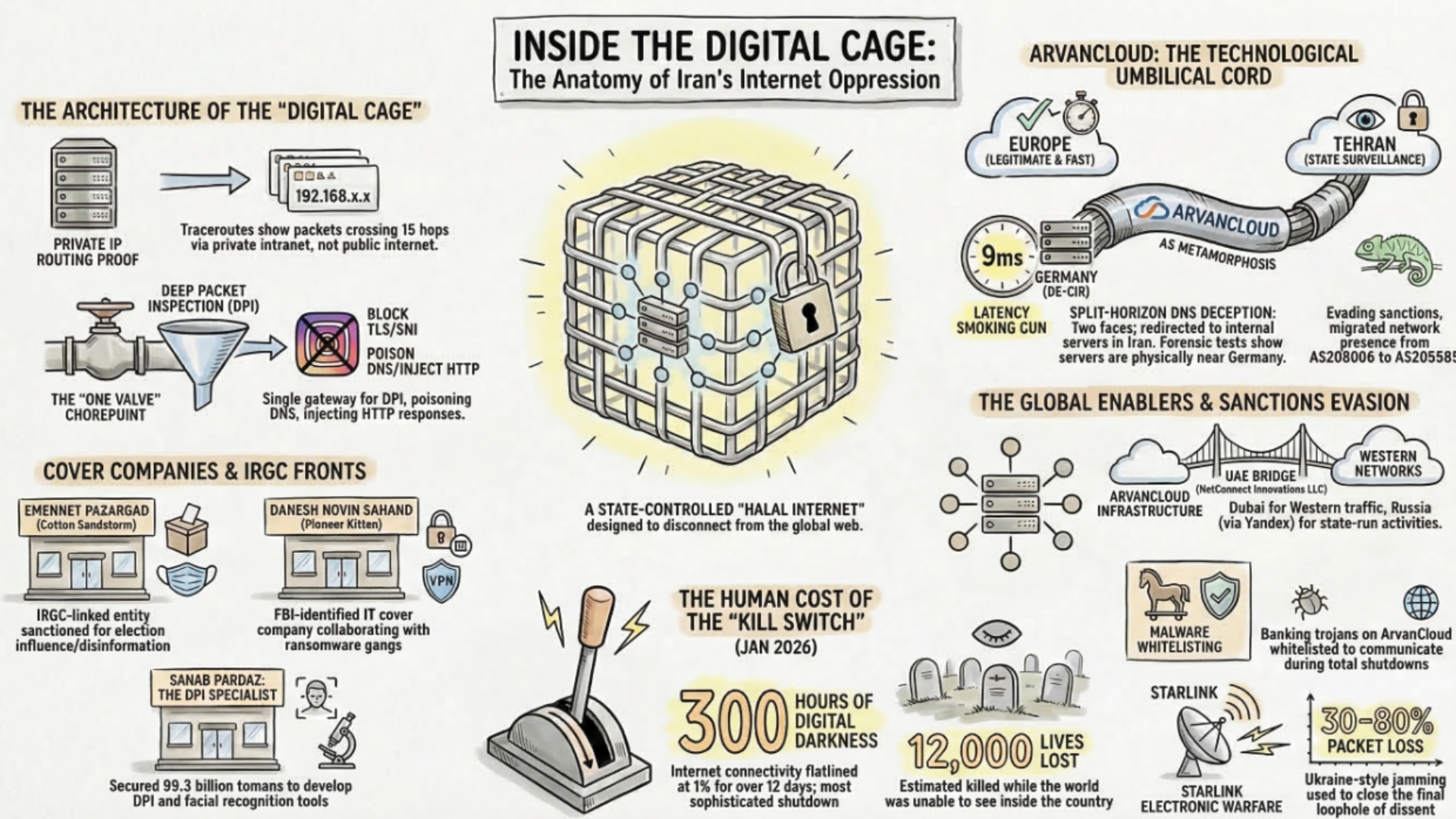
Handala Rebounds After FBI Seizure, Exposing Iran Cyberwar Resilience
After the FBI and DOJ seized Handala-linked domains on March 20, 2026, the Iran-linked group restored its web presence within about a day. The case shows why domain takedowns disrupt visibility faster than capability.
-
Top 10 Cyber Escalation Risks Security Leaders Should Understand
A practical evergreen guide to the 10 cyber escalation risks security leaders should understand, with a focus on signaling failure, cumulative pressure, thresholds, and conflict dynamics.
-
Top 10 Questions to Ask Before Calling an Incident Cyberwarfare
A practical evergreen guide to the 10 questions security leaders, analysts, and readers should ask before labeling a cyber incident as cyberwarfare.
-
Top 10 Cyber Deterrence Problems Security Leaders Should Understand
A practical evergreen guide to the 10 cyber deterrence problems security leaders should understand, from attribution and signaling to thresholds, ambiguity, and resilience.