
Iran cyberwarfare
State and non-state cyber operations linked to Iran and its adversaries.
-

Why Cyberwarfare Keeps Pressuring Shipping and Logistics Networks
Recent Iran-related cyber alerts and Hormuz disruption risks showed why shipping and logistics networks remain pressure points in modern cyberwarfare.
-

Why Cyberwarfare Keeps Pressuring Banks and Financial Networks
Recent conflict-driven cyber alerts showed why banks and financial networks remain high-value pressure points in modern cyberwarfare.
-
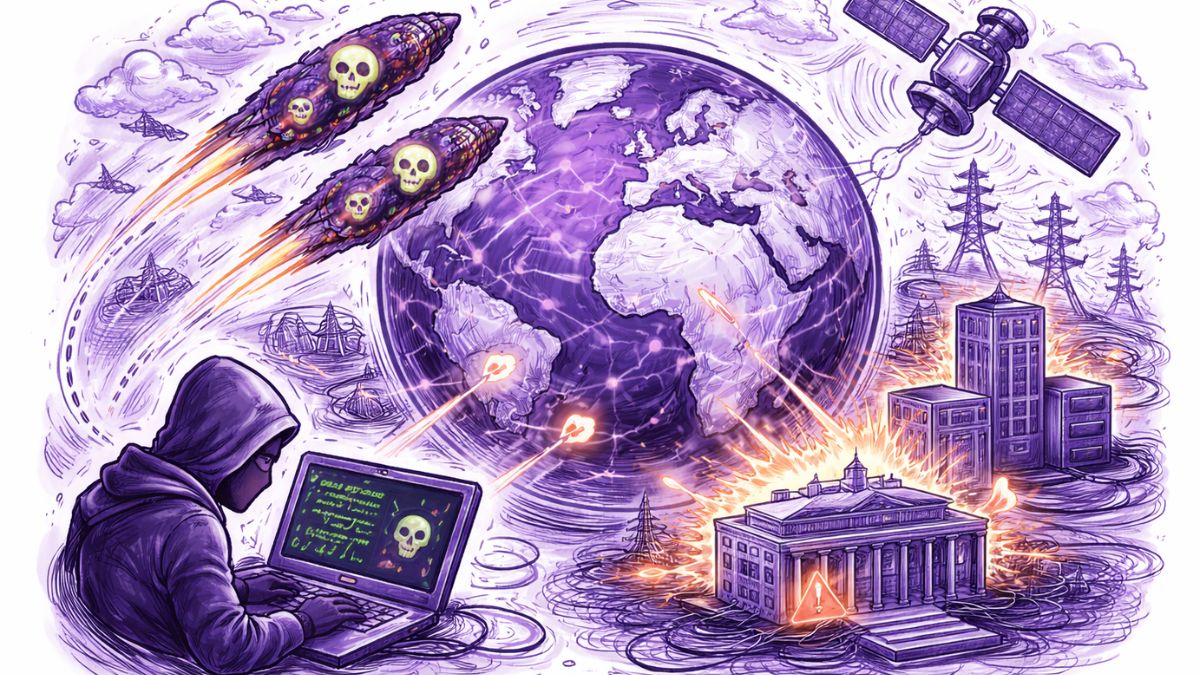
Why Endpoint Management Systems Are Becoming Cyberwarfare Choke Points
The March 2026 Stryker attack and CISA’s Intune warning showed why endpoint management systems have become high-value cyberwarfare choke points.
-
Why Cyberwarfare Targets Healthcare and Medical Supply Chains
The March 2026 Stryker attack showed why healthcare systems and medical supply chains remain attractive cyberwarfare targets during periods of conflict.
-
Why Cyberwarfare Increasingly Exploits Trusted Civilian Apps
The BadeSaba breach in March 2026 showed how modern cyberwarfare can turn trusted civilian apps into channels for pressure, messaging, and psychological effect during conflict.
-
Why Cyberwarfare Hits Civilian Companies First
The March 2026 Stryker cyberattack shows why civilian companies often become the first pressure points in modern cyberwarfare. The incident offers a clear lesson on disruption, escalation, and strategic targeting.
-
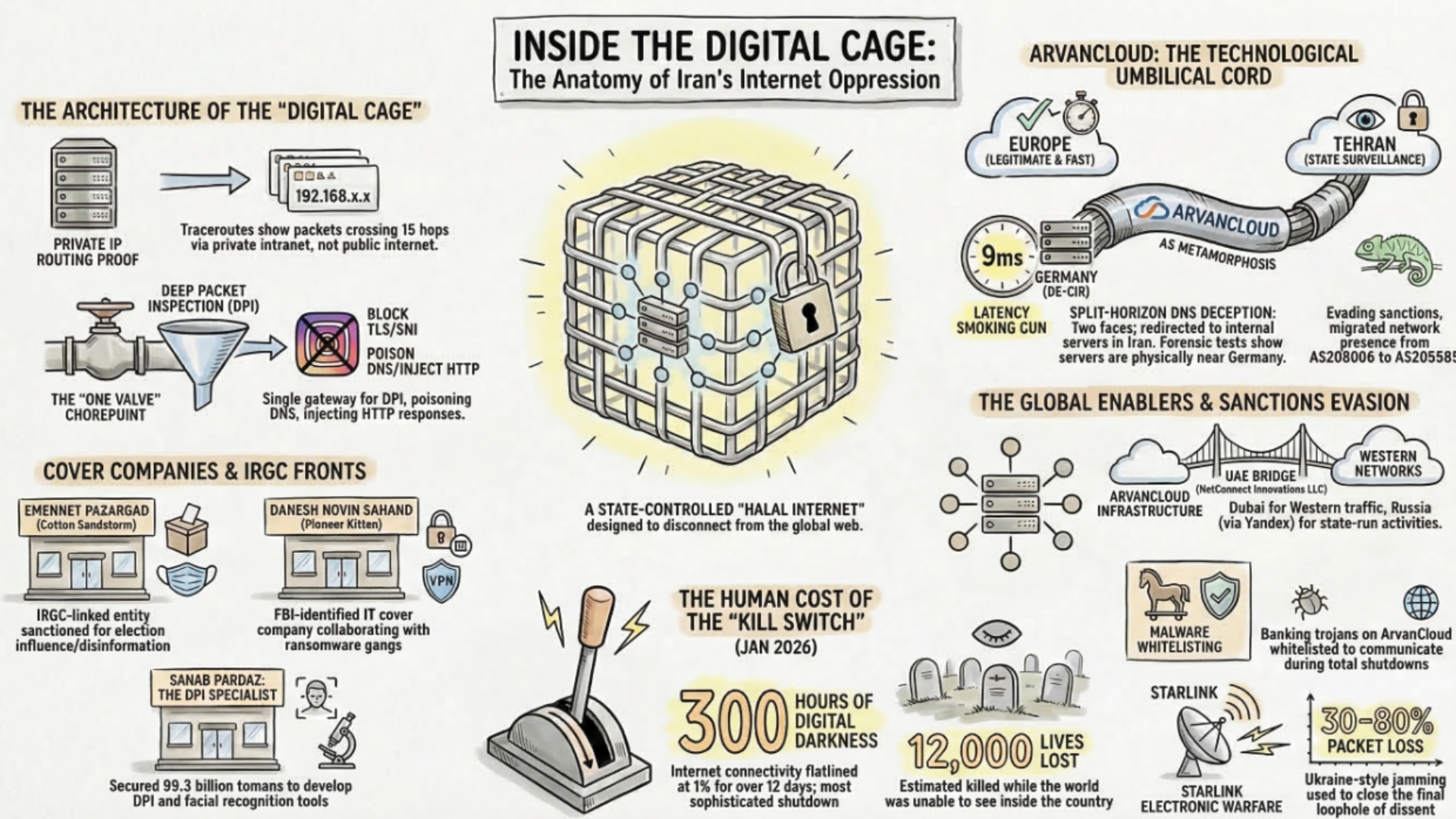
Iran Cyberwar Shifts to Spillover, Retaliation, and Control
The cyber dimension of the Iran war is no longer limited to isolated attacks. From internal repression and internet shutdowns to suspected Iran-linked retaliation abroad, a multi-layered cyber conflict is emerging with direct implications for healthcare, shipping, and critical infrastructure.