
Cybercrime & Underground Economy
Coverage of dark web markets, ransomware ecosystems, fraud operations, financial crime services, monetization tactics, and the evolving underground economy driving global cybercriminal activity.
-
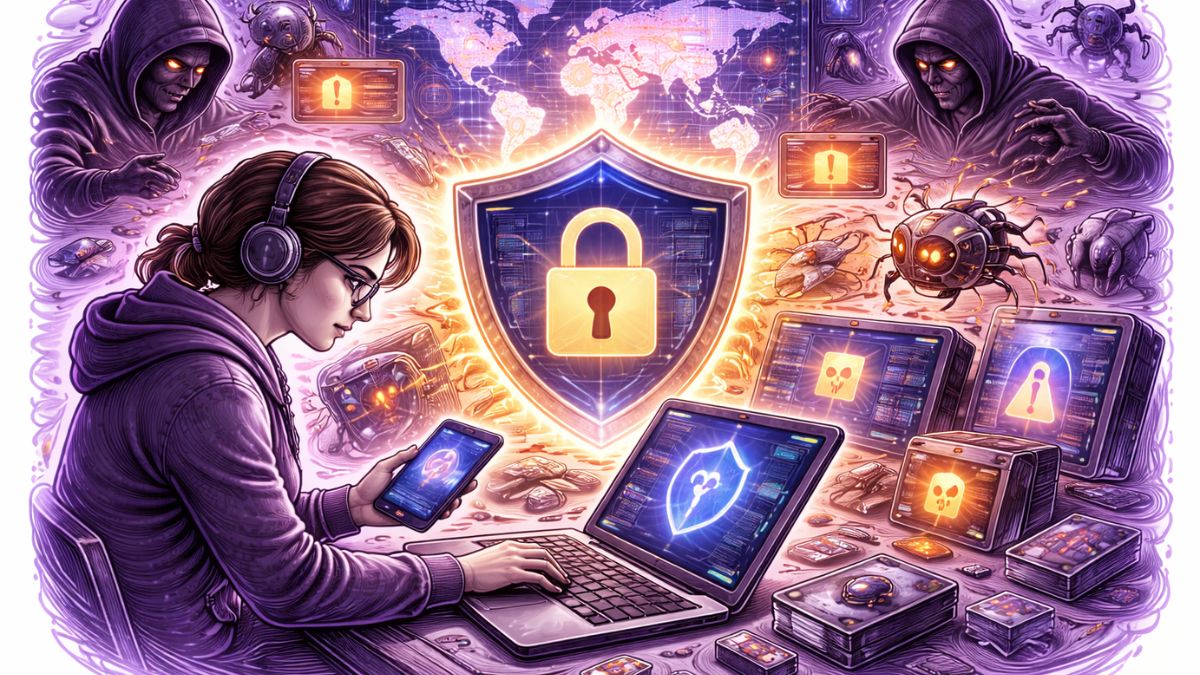
Meta disables 150,000 accounts linked to Southeast Asia scam centers
Meta says it disabled more than 150,000 Facebook and Instagram accounts tied to scam center networks in Southeast Asia during a joint international disruption effort that also led to arrests in Thailand.
-
INTERPOL operation takes down 45,000 malicious IPs and leads to 94 arrests
INTERPOL says Operation Synergia III dismantled more than 45,000 malicious IP addresses and servers used in phishing, malware, and ransomware activity, resulting in 94 arrests across 72 countries and territories.
-
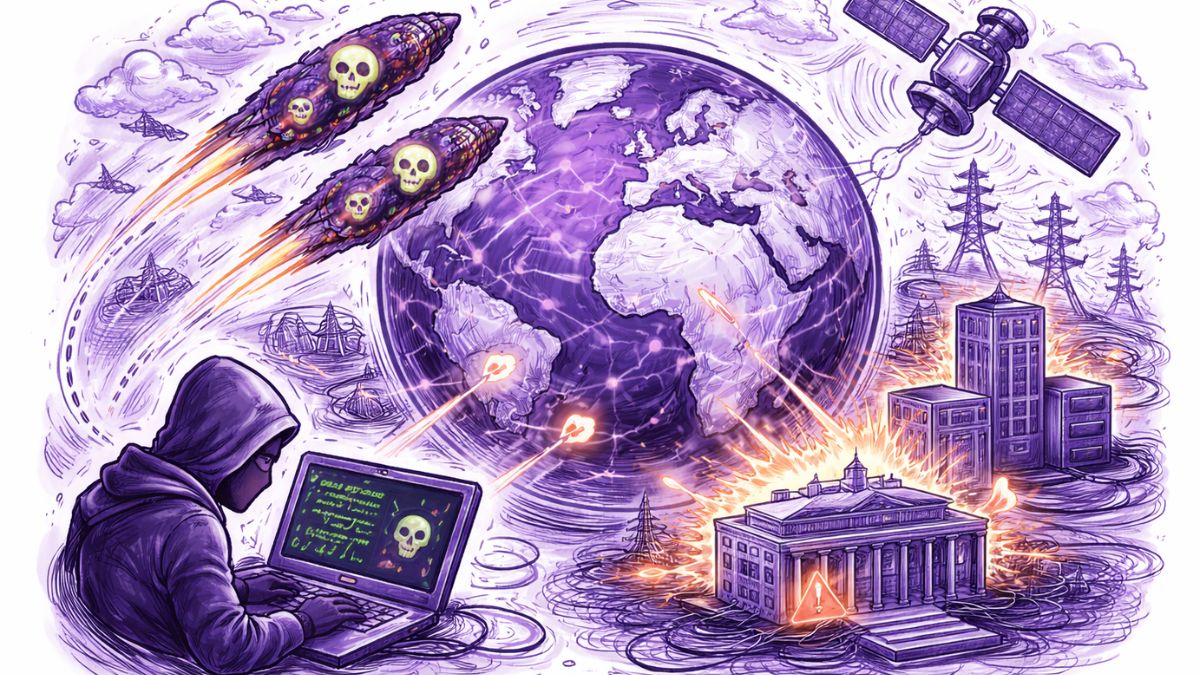
Malicious npm package posing as OpenClaw installer deploys RAT, steals macOS credentials
Researchers say a malicious npm package named @openclaw-ai/openclawai masqueraded as an OpenClaw installer, deployed a remote access trojan, and stole sensitive data from macOS systems after being uploaded by a user named openclaw-ai on March 3, 2026.
-
UNC4899 breached crypto firm after developer AirDropped trojanized file to work device
The North Korea-linked threat actor UNC4899 is suspected of breaching a cryptocurrency organization in 2025 after a developer transferred a trojanized file to a work device, leading to a cloud compromise and the theft of millions of dollars in cryptocurrency.
-
Ransomware Trends 2026: Healthcare, Defense, and Threat Actor Tactics
Ransomware attacks in 2026 continue to disrupt healthcare, with clinic closures and operational outages. Defensive innovations like honeypots and evolving threat actor tactics shape the landscape.
-
Understanding Phishing Attacks
Learn about the various types of phishing attacks, how they trick victims, and essential defense strategies to protect your personal and organizational data from these pervasive cy
-
GlassWorm macOS malware targets crypto wallets again
GlassWorm macOS malware returns via rogue VSCode/OpenVSX extensions that plant AppleScript payloads, steal developer tokens, and try to swap Ledger and Trezor apps.
-
Covenant Health data breach widens to 478,188 patients
Covenant Health data breach totals jumped to 478,188 patients after a forensic re-scan of 1.35 million stolen files linked to the Qilin ransomware group.
-
Google Cloud phishing bypasses email filters
Attackers weaponized Google Cloud Application Integration to bypass email filters. The campaign targeted 3,200 organizations across five continents with a sophisticated multi-stage phishing attack.
-

Malicious Blender Files Used to Spread Malware
Cybersecurity experts are warning about malicious Blender files being used to spread malware that steals sensitive data. These files, found on platforms like CGTrader, leverage embedded Python scripts to initiate infections when opened. Security firm Morphisec first reported on this Russian-linked campaign, noting its use of malicious .blend files to deploy the StealC V2 data-stealing…