
Advanced Persistent Threats
Analysis of sophisticated, long-term cyberattacks.
-
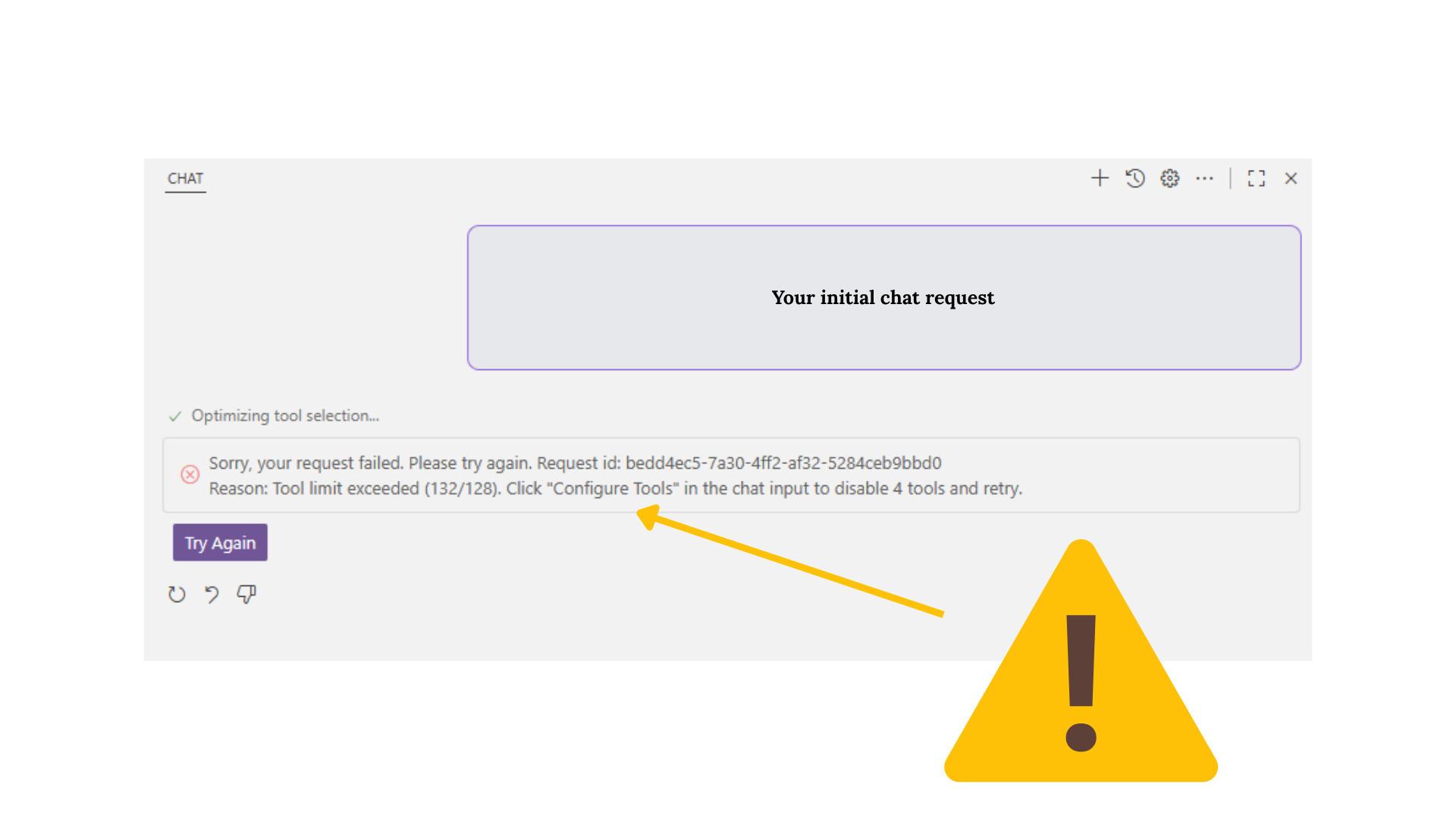
North Korean Hackers Deploy StoatWaffle Malware via VS Code Projects
A North Korean threat actor, tracked as WaterPlum, is using malicious Visual Studio Code projects to distribute a new malware family called StoatWaffle. The campaign leverages a feature in VS Code to automatically execute code when a project is opened.
-

Gulf Drug Supply Chains Strain as Hormuz Disruption Spreads
Disruption around the Strait of Hormuz is straining medicine supply chains into Gulf states, with importers and healthcare distributors scrambling to protect time-sensitive and temperature-controlled drug shipments.
-

LNG Buyers Scramble as Hormuz Disruption Hits Qatari Supply Routes
Asian and European buyers are scrambling to manage LNG deliveries as disruption around the Strait of Hormuz constrains Qatari supply routes and forces cargo diversions.
-

Gulf Importers Reroute Supplies as Hormuz Disruption Spreads
Gulf importers are rerouting food, medicine, and industrial cargo as disruption around the Strait of Hormuz forces companies and governments to find alternatives to normal shipping lanes.
-
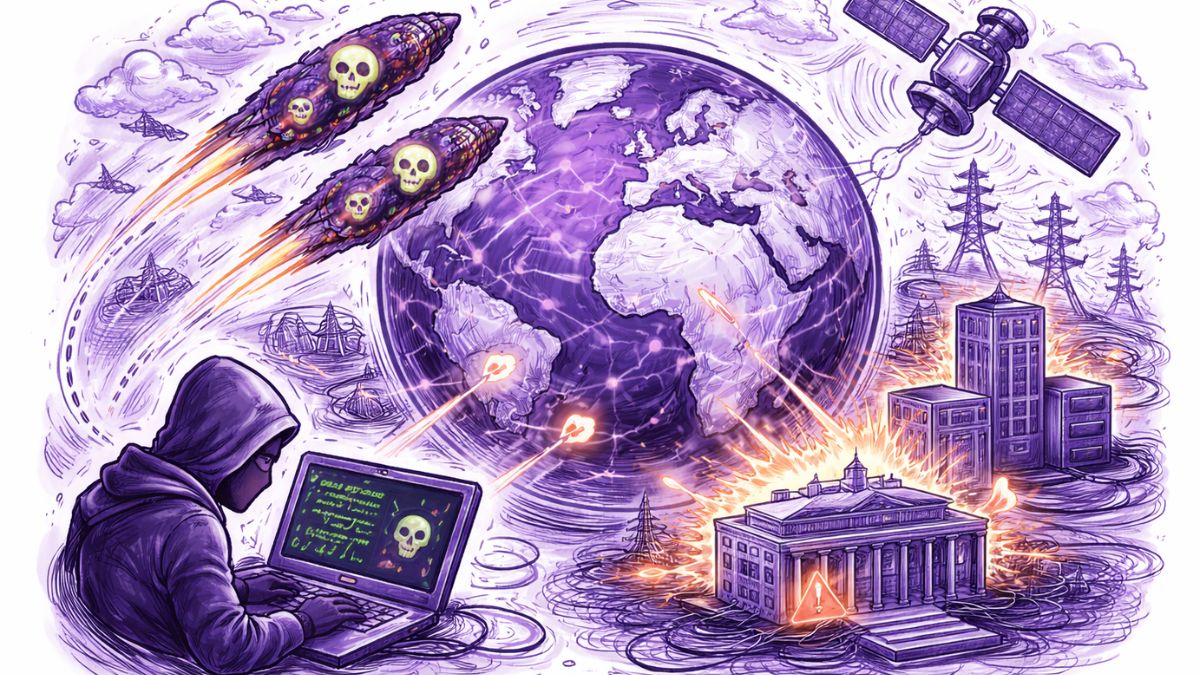
EU Eases Gas Import Rules as Iran Crisis Threatens Hormuz Flows
The European Commission moved on March 18 to ease gas authorisation rules for member states seeking non-Russian supplies, responding to rising risks around the Strait of Hormuz and wider Gulf energy flows.
-
Gulf Producers Turn to Pipelines as Hormuz Shipping Risk Deepens
Saudi Arabia and the United Arab Emirates are leaning on overland export routes including the East-West pipeline and the Habshan-Fujairah pipeline as disruption risk rises around the Strait of Hormuz.
-
Iran Warns Gulf Energy Sites to Evacuate After South Pars Strike
Iran warned Gulf states to evacuate gas and energy installations after the attacks on South Pars and Asaluyeh, expanding the regional energy-security threat across the Gulf.
-
Europe Signals Distance From Trump’s Iran War While Watching Hormuz
European leaders signaled on March 18 and 19 that they do not want to be drawn into the U.S.-Israeli campaign against Iran, even as concerns over shipping, energy routes, and the Strait of Hormuz continue to rise.
-
Gulf States Create Safe Sea Corridor as Hormuz Risk Rises
Bahrain, Japan, Panama, Singapore, the United Arab Emirates, and the International Chamber of Shipping agreed on March 18 to create a safe sea corridor to protect seafarers and commercial traffic as risks rise around the Strait of Hormuz and the wider Gulf.
-
EU Sanctions Chinese, Iranian Firms Over Cyberattacks
The European Union on March 16 imposed sanctions on two Chinese companies and one Iranian firm over cyberattacks targeting EU member states, broadening the bloc’s cyber-response as the Iran war drives wider digital escalation.