
Live Feeds
-

Stuxnet: The Cyber Weapon That Changed Warfare
Stuxnet was the first publicly known cyber weapon to cause physical damage inside critical infrastructure, reshaping how governments, defenders, and analysts understand cyber warfare, industrial sabotage, and state power in cyberspace.
-

What Is Cyber Warfare? Definition, Doctrine, and Real-World Examples
Cyber warfare refers to state-driven digital operations designed to disrupt, spy on, or damage an adversary’s infrastructure, military systems, or decision-making capabilities.
-
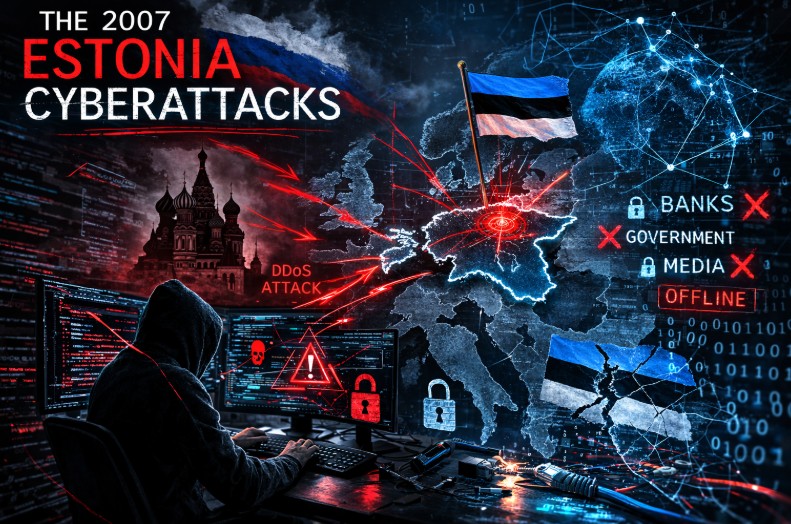
The 2007 Estonia Cyberattacks and How They Shaped Modern Cyber Defense
The 2007 cyberattacks against Estonia disrupted banks, media, and government systems and reshaped NATO cyber defense policy, turning Estonia into a global cybersecurity leader.
-
Aeternum C2 Botnet Abuses Polygon Blockchain to Hide Malware Commands and Evade Takedowns
Security researchers have uncovered a new botnet loader called Aeternum C2 that stores encrypted command-and-control instructions on the Polygon blockchain, making traditional takedown efforts significantly harder and signaling a new evolution in resilient malware infrastructure.
-
UAT-10027 Targets U.S. Healthcare with Dohdoor Malware Using DoH C2
Researchers have uncovered a previously undocumented cyber campaign tracked as UAT-10027 targeting U.S. healthcare and education organizations with a new backdoor called Dohdoor that uses DNS-over-HTTPS to evade detection and deploy Cobalt Strike beacons.
-
Mehrabad Airport Strike
Mehrabad International Airport has reportedly been struck during the ongoing conflict involving Iran, marking one of the most significant attacks inside Tehran since the war began. The strike occurred as fighting between Iran and opposing forces—widely reported to include coordinated operations by the United States and Israel—continued to intensify across the region. Strike on Mehrabad…
-
Ransomware Trends 2026: Healthcare, Defense, and Threat Actor Tactics
Ransomware attacks in 2026 continue to disrupt healthcare, with clinic closures and operational outages. Defensive innovations like honeypots and evolving threat actor tactics shape the landscape.
-
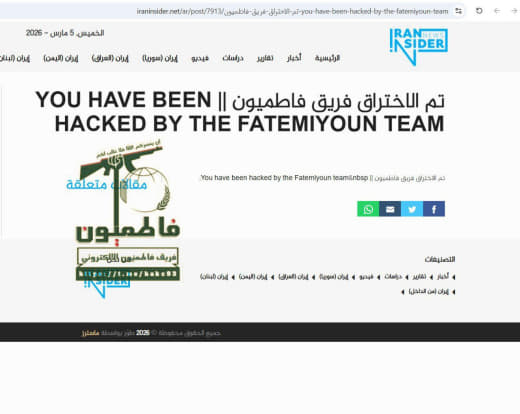
Fatimion Cyber Team: Inside the Iran-Linked Hacking Group Waging Cyber War Across the Middle East
A pro-Iran cyber group operating out of Iraq has quietly built one of the most persistent hacktivist operations in the Middle East. Known as the Fatimion Cyber Team (فريق فاطميون الالكتروني), this group has been carrying out DDoS attacks, website defacements, database exfiltrations, and coordinated information operations since August 2023. On March 5, 2026, the…
-
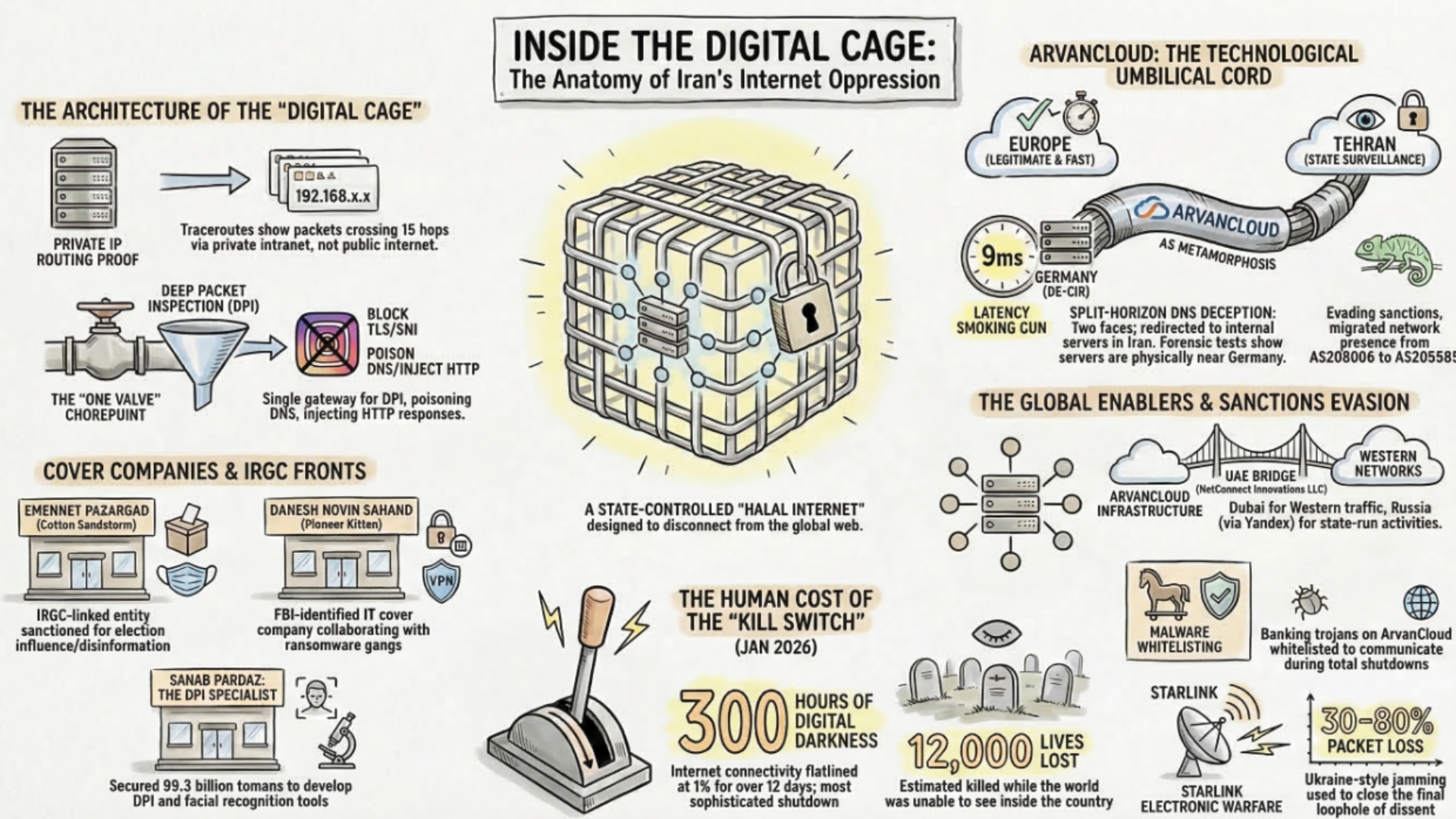
ArvanCloud and Iran’s Digital Oppression Infrastructure
Forensic investigation reveals how ArvanCloud (Noyan Abr Arvan) serves as a critical enabler of Iran’s National Information Network — the regime’s digital cage. BGP routing analysis, latency measurements, and traceroute data expose split-horizon DNS manipulation, European server infrastructure hosting censorship tools, malware whitelisting during internet shutdowns, and Russia-routed sanctions evasion channels. This analysis maps the…
-

CyberStrikeAI: Chinese-Linked AI Attack Platform Compromises 600+ FortiGate Devices Across 55 Countries
An open-source AI-native offensive security tool called CyberStrikeAI, developed by a Chinese coder with ties to the Ministry of State Security, has been deployed by a Russian-speaking threat actor to compromise over 600 FortiGate appliances across 55 countries. Team Cymru tracked 21 unique servers running the platform, revealing a sharp acceleration in AI-augmented offensive cyber…