
Iran’s South Pars gas field was hit on March 18, 2026, in what Iranian state media and multiple international outlets described as a major escalation in the ongoing Israel-Iran war. The strike reportedly ignited fires near facilities tied to the giant offshore gas complex and immediately raised the risk of wider retaliation against Gulf energy infrastructure.
South Pars is strategically critical because it underpins most of Iran’s domestic gas supply and sits alongside Qatar’s North Field, the world’s largest shared natural gas reservoir. Any successful strike on associated processing or transport infrastructure carries consequences well beyond Iran, especially for regional energy security, LNG trade routes, and already volatile oil markets.
Initial reporting indicates that Tehran responded with warnings that energy facilities in Saudi Arabia, the United Arab Emirates, and Qatar could face retaliatory action. That threat alone is enough to elevate the incident from a battlefield development into a broader geopolitical and economic crisis.
What Happened
This report is based primarily on contemporaneous reporting by Reuters, the Associated Press, and Al Jazeera, all published on March 18, 2026.
Reuters reported that Iranian gas facilities in South Pars and Asaluyeh were hit and that Tehran responded with warnings of retaliatory strikes against energy facilities in Saudi Arabia, the United Arab Emirates, and Qatar. AP separately reported that Iranian state media said Israel struck the South Pars natural gas field, sparking fires near Asaluyeh on Iran’s Gulf coast. Al Jazeera reported the same escalation and said Qatar condemned the strike as a dangerous step.
At the time of writing, Iranian authorities had not released a full technical explanation of the cause, and no official casualty figures had been confirmed. Because some early details relied on wartime reporting and state-media claims, attribution remains essential and some specifics should still be treated as preliminary.
Confirmed Facts vs Unverified Claims
Confirmed:
- An incident occurred near South Pars-linked infrastructure
- Visual evidence suggests fire or explosion damage
- Iranian media acknowledged an event in the area
Unverified / Emerging Claims:
- Possible Israeli involvement using long-range strike capabilities
- Drone-based attack launched from maritime platforms in the Persian Gulf
- Internal sabotage linked to unrest inside Iran
None of these claims have been independently verified at this stage, and attribution remains unclear.
Why South Pars Matters
South Pars is the largest natural gas field in the world, shared between Iran and Qatar (where it is known as the North Field). It accounts for the majority of Iran’s domestic gas production and is critical for electricity generation, industry, and exports.
Any disruption to South Pars infrastructure has immediate implications for:
- Iran’s internal energy stability
- Regional LNG supply chains
- Global energy market pricing
Because of its importance, the field is considered a high-value strategic target in any escalation scenario.
Regional and Global Implications
If confirmed as a deliberate strike, the incident marks a significant expansion in targeting—from military and nuclear-related assets to economic and energy infrastructure. This would represent a shift in the operational scope of the ongoing Israel–Iran confrontation.
Energy markets are particularly sensitive to disruptions in the Persian Gulf. Even limited damage to South Pars-linked infrastructure could:
- Increase volatility in global gas prices
- Raise insurance costs for shipping in the Strait of Hormuz
- Trigger precautionary output or transport adjustments by neighboring Gulf states
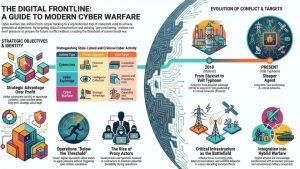
Iran has historically responded to attacks on strategic infrastructure through a mix of proxy operations, cyber activity, and maritime pressure. Any confirmed external strike on South Pars may therefore prompt a calibrated retaliation targeting regional energy assets or shipping lanes.
At present, the situation remains fluid, with further confirmation expected from satellite imagery analysis, official Iranian statements, or independent verification by international monitoring organizations.