
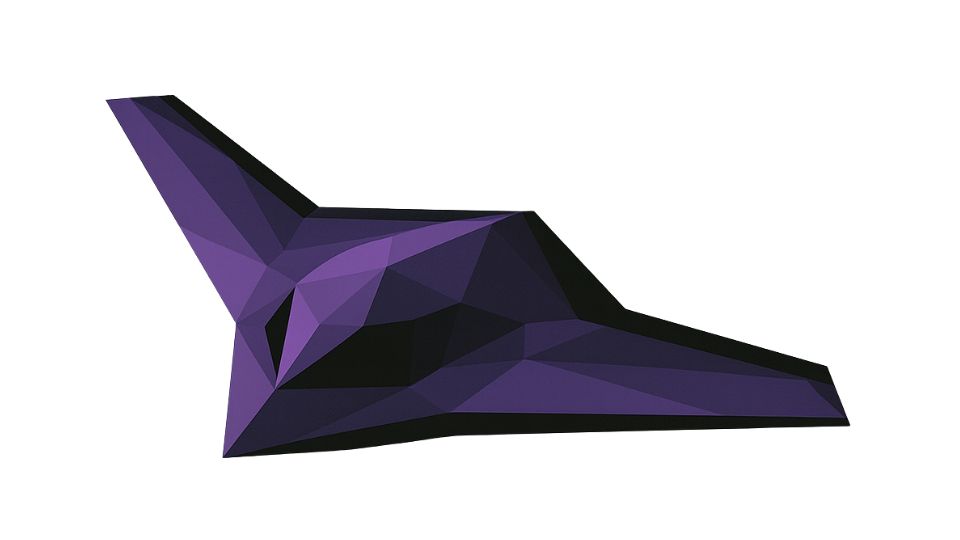

China released new footage showing its GJ-11 stealth uncrewed combat air vehicle (UCAV), known as Xuanlong, operating with the J-20S stealth fighter. The footage marks the GJ-11’s first public demonstration both within a hangar and conducting flight operations, signaling its entry into regular training and active use within the Chinese Air Force.
Chinese state media circulated the new video, underscoring a significant advancement in China’s military modernization. The footage depicts the GJ-11 as an integral component of advanced air combat formations. This solidifies its role in the People’s Liberation Army Air Force’s (PLAAF) evolving aerial strategies. Its official designation, Xuanlong, translates to “Fantasy Dragon,” reflecting the platform’s strategic importance.
China developed the GJ-11, a flying-wing design optimized for reduced radar visibility, over a decade. A prototype reportedly flew in 2013. China previously displayed a full-scale model in September during a Beijing military parade, hinting at its impending operational status. This recent video transitions the drone from a developmental project to an actively deployed asset in a routine training environment.
The GJ-11 is designed for manned-unmanned teaming, operating alongside the J-20, China’s primary stealth fighter. This pairing expands the reach, strike capacity, and survivability of crewed fighters. It integrates remotely operated aircraft into complex air combat scenarios. The Xuanlong’s operational deployment suggests a broader strategic shift towards sophisticated collaborative aerial warfare, enhancing the PLAAF’s tactical capabilities.
This integration signifies a mature phase in China’s unmanned aerial systems program. The GJ-11 is poised to play a critical role in future air defense and strike operations, reflecting a global trend towards networked and autonomous aerial assets in modern military doctrines.